What You Built Should Not Depend on Daily Heroics

At a cement plant, when paperwork stopped, trucks stopped. Nobody could hide behind a presentation. The process moved or it did not.

Later, in reinsurance systems and startups, the stakes changed but the pattern did not. Software on each side. A person in the middle, copying, translating, checking and remembering. Usually one of the sharpest people in the company.

The company kept working. That was the trap. Every rescue made a broken workflow look acceptable for one more day.

I watched diagnoses become documents, documents become folders, and the same people return to the same workaround on Monday morning.

Solve IT exists to move past the document: sit with the people, see the real work, build the smallest safe intervention, and hand over a system the business can own.

Where that standard came from

Our experience comes from operations where failure has a visible consequence: trucks waiting, reinsurance data that has to stand up to review, or a product missing its shipping window when cash is tight.

Those environments teach a useful discipline. Follow the work. Make ownership visible. Test before exposing the operation. Fix what breaks. Leave the system stronger than you found it.

What we believe

A diagnosis must change the next decision. The War Map earns its fee by changing a real decision. It is a usable plan, not a sales meeting dressed up as consulting.

What works gets to stay. Your ERP, CRM, WMS and specialist tools have earned their place. We repair the flow between them before proposing replacement.

The truth lives where the work happens. We observe the people doing the work, on-site when necessary and by screen share when that tells us enough. The process diagram is only the starting point.

Judgment remains human. Systems can reconcile, route, assemble and flag. People keep decisions that require responsibility, context or care.

What you can hold us to

A deliberately small active portfolio.

The people who diagnose the problem remain accountable for the work. When you hire us, you get us.

You get the keys.

Ownership, access, operating limits, exceptions, support and handoff are explicit. The system should not need our permission to keep running.

We stay past the presentation.

When we are hired to build, we stay through controlled deployment and handoff. We do not call a presentation an implementation.

The person accountable

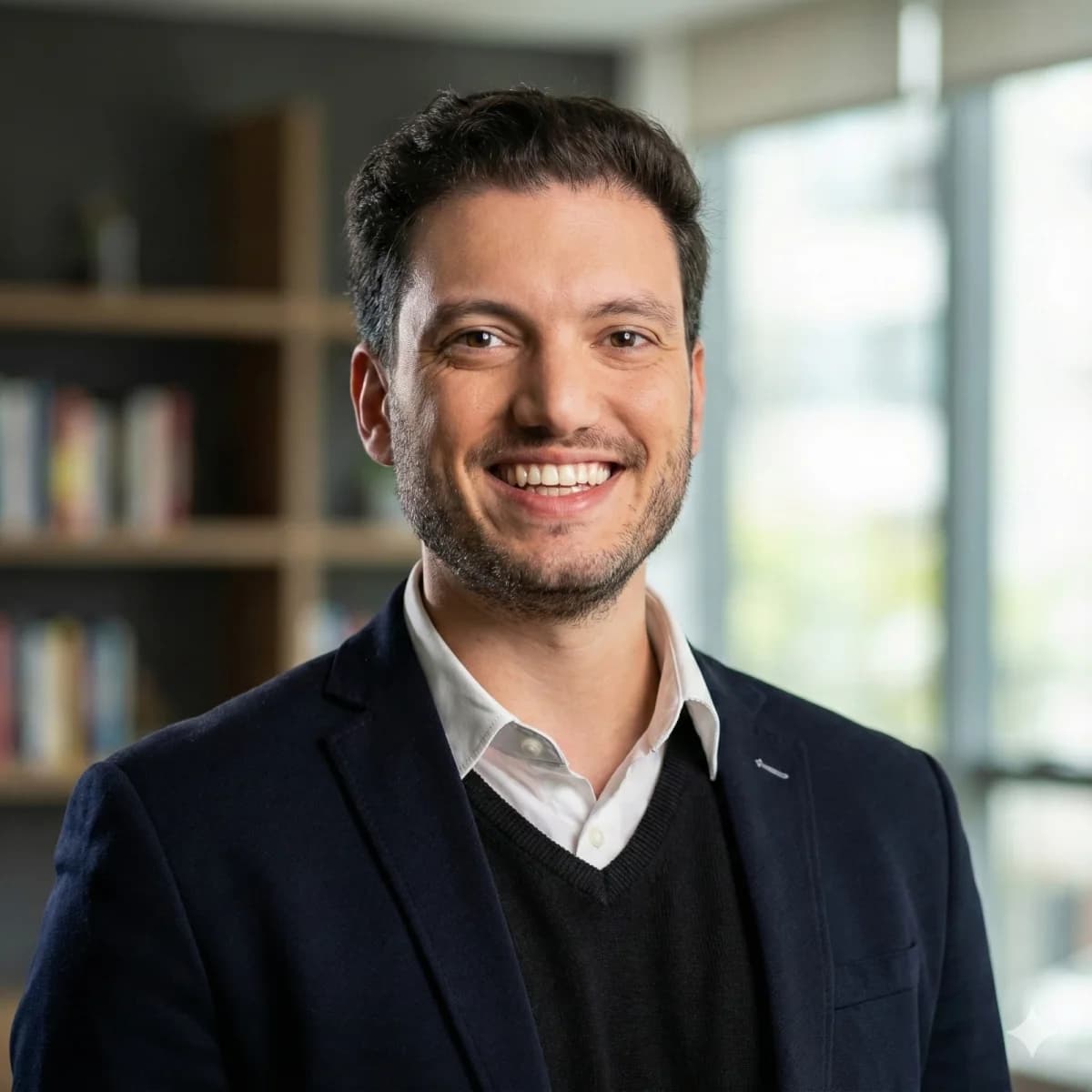
Matías Bonvin

Engineer by training. I have spent my career inside operations where a mistake has a measurable cost: trucks that do not move, a reinsurance data error, or a product that misses its shipping window.

One thing still gets under my skin: seeing the sharpest people in a company spend their days compensating for gaps between systems, then calling it normal because the business survived another week.

I did not build Solve IT to make existing software look obsolete. I built it to make the work between those systems visible, controlled and owned by the company.

When you speak to Solve IT, you speak to people who are accountable for the diagnosis and the work that follows.

Matías Bonvin, founder of Solve IT

Does this sound like your company?

Bring us one workflow that depends on copying, chasing, remembering or one indispensable person. We will tell you whether we can help and suggest a safe way to begin.

Request a Strategy Session